Queue Management System in Saudi Arabia: 7 Clinic Wins
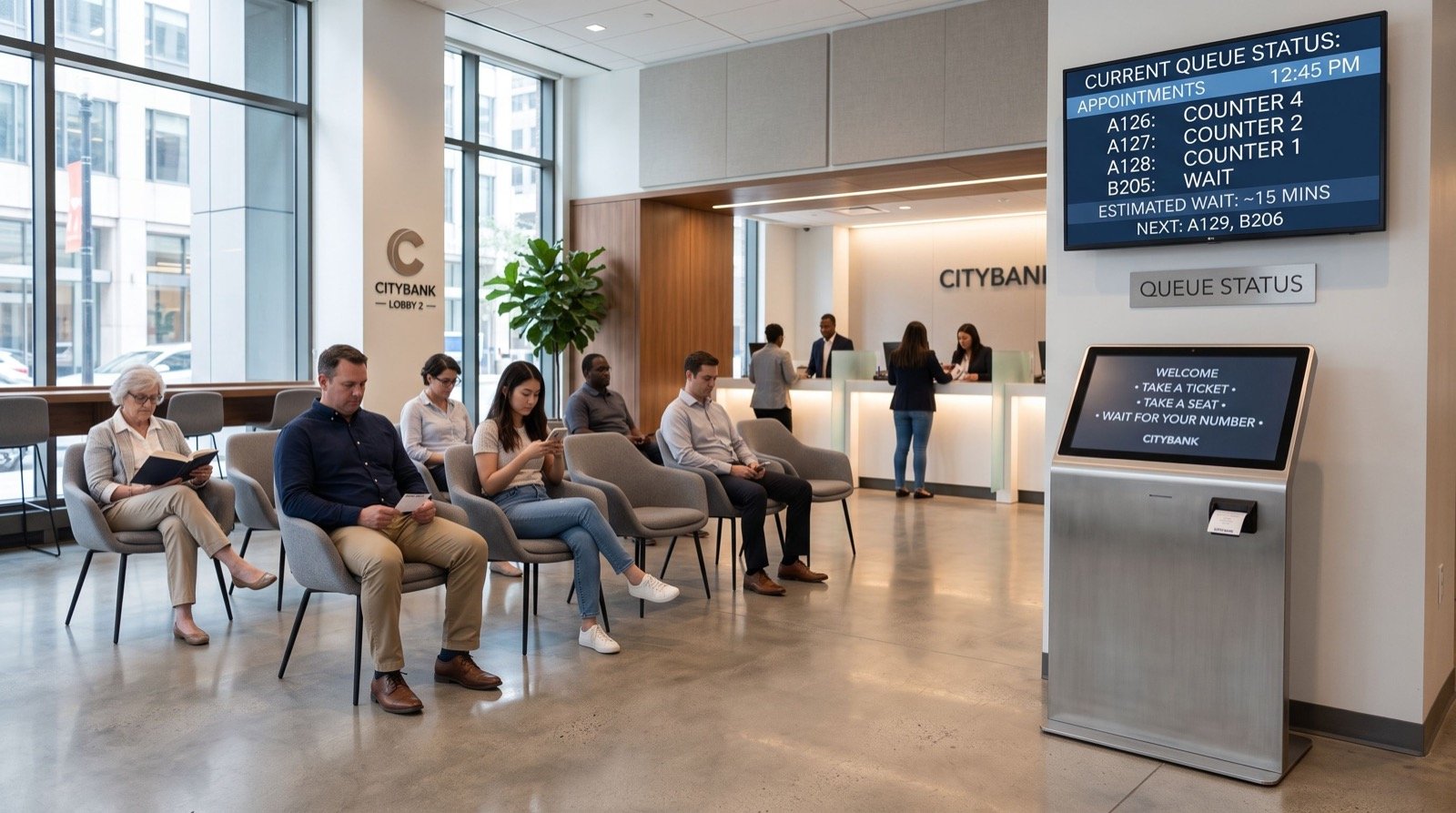
Healthcare waiting rooms are where patient trust is won or lost. A crowded lobby with no visible order raises anxiety before a patient even meets a clinician. In 2026, a well-designed queue management system in Saudi Arabia is helping clinics turn that first impression around, replacing confusion with a calm, predictable flow.
This article takes a healthcare-specific view. Rather than listing generic features, it walks through seven concrete wins clinics report after deployment, plus the practical pitfalls to avoid along the way.
Why Clinics Need a Queue Management System in Saudi Arabia
Patients rarely complain about a five-minute wait. They complain about not knowing how long the wait will be, or seeing someone who arrived later get called first. Uncertainty and unfairness cause the frustration, not the clock alone.
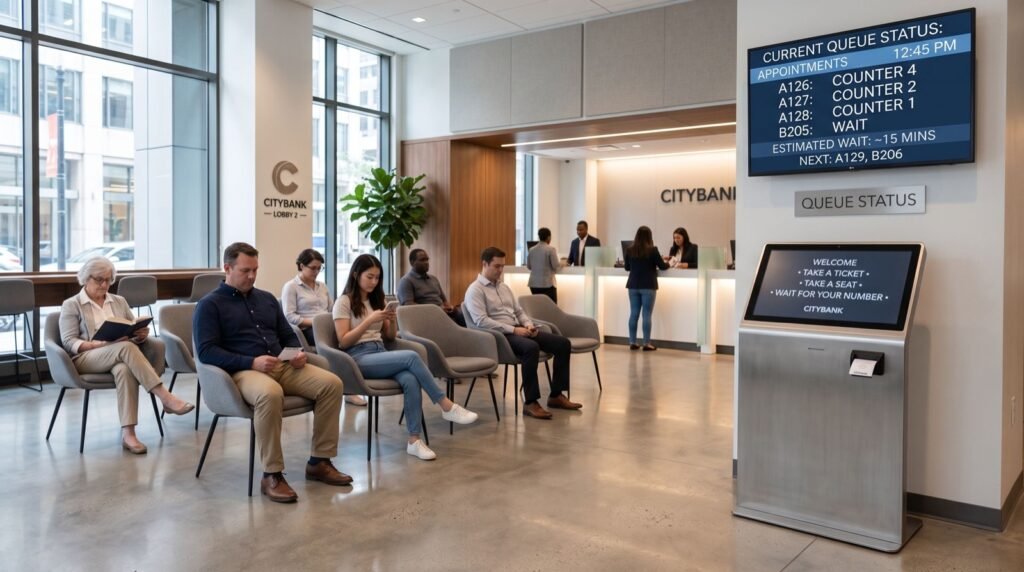
Digital queuing removes both. Patients receive a clear place in line, real-time updates, and the freedom to sit rather than crowd the reception desk. For staff, the constant stream of “how much longer?” questions simply stops. Investing in a purpose-built queue management system in saudi arabia gives clinics that clarity from the very first visit.
Saudi healthcare regulators emphasise patient experience as a core quality measure. Standards published by the Saudi Central Board for Accreditation of Healthcare Institutions highlight access and flow as measurable indicators, and structured queuing supports both directly.
The 7 Wins Clinics Report
Across outpatient departments, dental practices, and diagnostic centres, the same benefits keep surfacing. Here are the seven that matter most.
- Shorter perceived waits thanks to live status and mobile alerts.
- Fewer front-desk disputes because turn order is transparent.
- Better triage by routing urgent cases into priority streams.
- Reduced no-shows through automated reminders.
- Cleaner data on peak hours and department load.
- Calmer staff who spend time on care, not crowd control.
- Higher satisfaction scores that support accreditation goals.
Notice that only some of these are about speed. Several are about dignity and clarity, which is exactly what a nervous patient values most.
Which win should a clinic prioritise first?
Start with triage routing if you run any urgent or walk-in service. Getting the sickest patients to the right stream quickly protects outcomes and reputation simultaneously, and it is the hardest problem to solve with paper tokens.
Connecting Queuing to the Wider Front Office
A queue is only one touchpoint. It works best when it feeds into appointment booking, reminders, and clear phone communication. Many Saudi clinics also serve patients through drive-up windows for prescriptions and sample collection.
That is where adjacent technology helps. A well-run Drive Thru System in pakistan shows how the same order-and-notify logic extends beyond the lobby to vehicle-based service lanes, a model increasingly copied in the Gulf.
Phone systems matter too. Clear voice hardware keeps call-backs and appointment confirmations professional, and choosing reliable local experts for that rollout prevents mismatched, hard-to-service equipment.
Comparing Front-Desk Models
Clinics generally choose between three service models. The comparison below highlights how each handles patient experience and reporting in 2026.
| Model | Patient Clarity | Triage Support | Reporting |
|---|---|---|---|
| Manual sign-in sheet | Low | Manual only | None |
| Basic ticket dispenser | Medium | Limited | Basic counts |
| Integrated digital queuing | High | Priority streams | Full analytics |
The integrated model wins on every column that affects patient safety and quality reporting. For accredited facilities, that alignment is decisive.
A Practical Rollout Plan
Deployment succeeds when it is staged rather than rushed. Follow a clear sequence and involve front-line staff early.
- Audit current flow during a typical busy morning.
- Define patient streams such as walk-in, appointment, and priority.
- Install check-in and signage in visible, accessible locations.
- Train reception staff on transfers, priorities, and pauses.
- Pilot for two weeks, then adjust routing rules using the data.
Keep the pilot small. One department that runs flawlessly builds far more internal support than a hospital-wide launch that stumbles.
How do you keep elderly patients comfortable with the technology?
Offer a staffed assist point beside the kiosk and always provide an SMS option that needs no app. Simple, human fallbacks ensure no patient feels excluded by the new system.
Real-World Impact on Patient Flow
Numbers tell part of the story, but patient behaviour tells the rest. When people can see their position and receive a text before their turn, they stop hovering at the desk and sit down. The lobby itself grows quieter and less stressful for everyone.
That calm has clinical value. Anxious patients report symptoms less clearly and forget instructions more often. A settled waiting experience sets a better tone for the consultation that follows.
Reception staff feel the change immediately. Instead of fielding constant interruptions, they focus on registration, insurance checks, and genuine questions. The role becomes less about crowd control and more about care coordination.
Over a full quarter, clinics typically see steadier flow across the day rather than sharp, unmanageable spikes. The data reveals which hours truly need extra staff, so managers schedule people where demand actually sits instead of guessing.
These gains reinforce each other over time. Calmer lobbies improve reviews, better reviews attract more patients, and richer data keeps the flow tuned as volume grows. The system quietly becomes part of the clinic’s reputation rather than just its plumbing.
How does queuing support accreditation reviews?
Accreditation bodies value evidence, and digital queuing produces it automatically. Wait-time reports, priority-handling logs, and satisfaction trends give reviewers concrete proof that the clinic manages access and flow deliberately rather than reactively.
Frequently Asked Questions
Does a queue management system in Saudi Arabia work for small clinics?
Yes. Compact, cloud-based options suit single-location practices and scale up later. You do not need a large IT department to run one effectively.
Can it prioritise urgent patients automatically?
Absolutely. Reception can assign priority streams so urgent or elderly patients move ahead without manual reshuffling, protecting both fairness and safety.
Will it integrate with our appointment software?
Most modern platforms offer integrations or APIs that link check-in with existing booking and records systems, so a scheduled patient is recognised on arrival.
Is patient data kept secure?
Reputable vendors encrypt data and follow local privacy expectations. Confirm hosting location and access controls with your provider before signing.
Making the Move in 2026
Patient experience is now a competitive differentiator, not a soft extra. Clinics that adopt a thoughtful queue management system in Saudi Arabia gain shorter perceived waits, safer triage, and cleaner data that supports accreditation year after year.
Begin with one department, measure honestly, and expand on the strength of real results. The lobby is your clinic’s first handshake, so make it calm, fair, and clearly organised. Reach out to a trusted provider this quarter to map your front-desk flow and book a focused pilot.